
When people travel, they usually have many unspoken questions that go beyond price and logistics—questions about the people, the culture, and whether a destination truly fits their personality.
In this series, we explore cities through a different lens. Instead of asking whether a place is popular or affordable, we focus on cultural compatibility, social atmosphere, and personality fit. We challenge the idea that only certain “types” of people are suited to travel, and instead explore how different characters and lifestyles experience the same city in very different ways.
Most travel guides focus on prices, landmarks, and photo spots. While those things matter, they rarely answer the questions travelers quietly ask before committing to a destination:
Will I feel comfortable there?
Will I connect with people—or feel out of place?
Will this city give me energy, or slowly drain it?
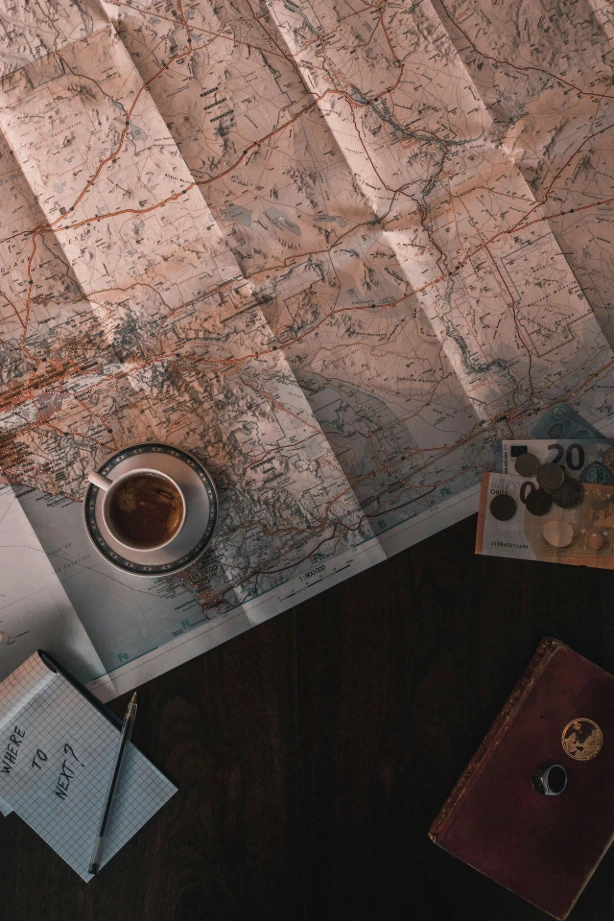
This article introduces the framework we’ll use throughout the series to evaluate cities around the world, with a particular focus on Muslim‑majority destinations. Think of this as the map, not the journey itself.
Each future article will apply this framework to a specific city to help travelers choose places that fit who they are—not just places that look good online.
1. Practical Travel Reality: Timing, Movement, and Energy
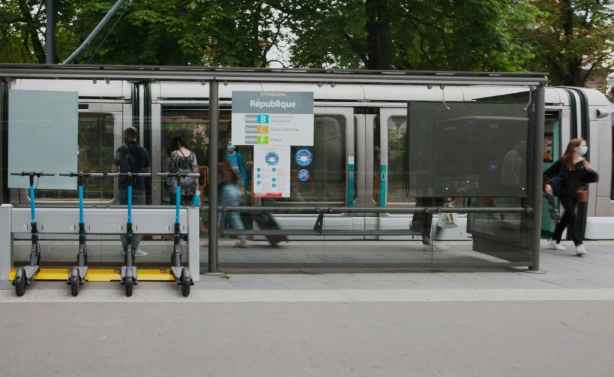
These are the questions travelers usually ask first—and for good reason. A city can be fascinating, but if moving through it feels exhausting or poorly timed, the experience quickly becomes stressful.
Best Time to Travel (Beyond Weather)
The “best time” to visit a city isn’t only about temperature or rainfall. It’s also about crowd density, religious seasons, local rhythms, and how alive—or overwhelming—a place feels.
Istanbul in late spring feels open and balanced, while peak summer crowds can completely change the experience. Marrakech during shoulder season allows for slower exploration, while cities like Kuala Lumpur remain relatively flexible year‑round due to infrastructure and indoor spaces.
Throughout this series, timing will be evaluated based on how a city actually functions for travelers, not just seasonal charts.
Activities: What You Can Do vs. What You’ll Actually Enjoy
Cities often promote endless activities, but not every traveler wants the same pace or intensity.
Some destinations thrive on constant movement and packed schedules—Dubai or Bangkok are good examples. Others, like Sarajevo or Muscat, reward slower exploration, long conversations, and unstructured days. Neither approach is better; they simply serve different personalities.
In future articles, cities will be loosely grouped into:
High‑energy cities (fast transitions, constant stimulation)
Balanced cities (variety without pressure)
Low‑stimulus cities (calm, space, slower days)
This distinction helps travelers avoid destinations that quietly work against their natural rhythm.
Transportation, Traffic, and Mental Load
Transportation isn’t only about convenience—it affects your mood every single day.
Cities like Istanbul or Cairo offer rich experiences but demand mental energy to navigate. Others, such as Kuala Lumpur or Baku, feel smoother and more predictable, especially for first‑time visitors.
Each city evaluation will consider:
Walkability
Public transport clarity
Ride‑hailing reliability
Traffic stress versus flexibility
How easy it is to move around often determines whether a city feels exciting or exhausting.
2. People, Culture, and Social Compatibility
This is where most travel content stops—and where real travel experiences actually begin.
Locals: Beyond the Polished Image
Many travelers want more than curated attractions. They want to understand how people live, think, and interact beyond tourist zones.
Cities like Fes, Lahore, or Yogyakarta often reward curiosity and patience, while places such as Dubai or Doha may require more intentional effort to step outside polished environments.
This series won’t romanticize “authenticity.” Instead, it will assess how accessible everyday life really is for visitors who want more than surface‑level experiences.
Communication: How Easy Is It to Connect?
Language isn’t the only barrier—attitude matters just as much.
Some cities are naturally conversational, even with limited shared language. Others feel more reserved or transactional. Sarajevo and Amman, for example, often feel welcoming in informal settings, while faster‑paced cities may require more effort to form connections.
We’ll look at:
English accessibility
Openness to casual conversation
Cultural patience with visitors
This is especially relevant for solo travelers or those who see travel as a way to grow socially and personally.
Personality Fit: Introverts, Extroverts, and Everyone in Between
Not every city suits every personality—and that’s okay.
Some places energize extroverts endlessly, while introverts struggle to find quiet. Other destinations feel peaceful and grounding, but may frustrate travelers who thrive on constant stimulation.
You can even see this contrast within the same group of friends, where one person feels alive and another feels drained in the exact same city.
Each city will be evaluated based on:
Social intensity
Noise and crowd levels
Opportunities for solitude versus connection
The goal isn’t to label cities as “good” or “bad,” but to help travelers understand where they are most likely to feel like themselves.
3. Comfort, Values, and Daily Ease
These criteria are often unspoken, yet they strongly shape whether a traveler feels relaxed or constantly on edge.
Modesty and Everyday Comfort
Feeling comfortable doesn’t mean a destination must be conservative. It means travelers can move naturally without constant self‑adjustment.
Cities like Kuala Lumpur, Muscat, or Medina offer very different levels of modesty alignment, and each suits a different comfort threshold. This series will focus on how visible norms actually feel on the ground—not just how they are described.
Prayer Accessibility: Comfort, Not Just Availability
Having prayer spaces nearby is different from feeling comfortable using them.
Each city will be evaluated based on:
Ease of finding clean, accessible prayer spaces
Integration of prayer areas into public life
Whether religious practice feels accommodated or merely tolerated
Cities like Istanbul or Cairo can vary significantly by neighborhood, which is why city‑level evaluation matters more than country labels.
Friendliness: What Do We Really Mean?
Friendliness isn’t just about smiles or service etiquette. It’s about how safe, accepted, and relaxed you feel asking questions, making mistakes, or simply existing as a traveler.
Some cities are warm but intense. Others are polite but distant. Both experiences affect travelers differently.
In this series, friendliness is defined as how easy it is to feel human—not impressive.
How This Series Will Work

Each future article will:
Focus on one city
Apply this exact framework
Be honest about who the city is for—and who it isn’t
Offer practical planning insights that respect travelers’ time and energy
The goal isn’t to sell destinations. It’s to help travelers choose places that genuinely fit them.
If travel is about movement, this series is about alignment.