
In our first article, we introduced a framework for evaluating cities that moves beyond checklists and price tags to explore how a place truly feels. Instead of focusing only on costs or attractions, this approach helps travelers find alignment between a destination and their own travel rhythm, social needs, and personal comfort.
You can read the full framework here
Now, let’s take that map on a journey. This Kuala Lumpur travel guide explores Malaysia’s capital beyond its iconic skyline and shopping malls. Often described as a modern metropolis of glass towers and rapid growth, Kuala Lumpur reveals something quieter beneath the surface: balance. The city blends cultural diversity, urban efficiency, and everyday ease in a way that feels surprisingly natural for visitors.
As one of Southeast Asia’s most accessible cities for first-time travelers, Kuala Lumpur offers a rhythm that adapts rather than overwhelms. In this guide, we apply our compatibility framework to understand who Kuala Lumpur is truly for, what type of traveler thrives here, and who might feel more at home in a different kind of destination.
For official visitor information
1. Practical Travel Reality: The City That Adapts to You
Best Time to Travel: The "Always-Viable" Metropolis
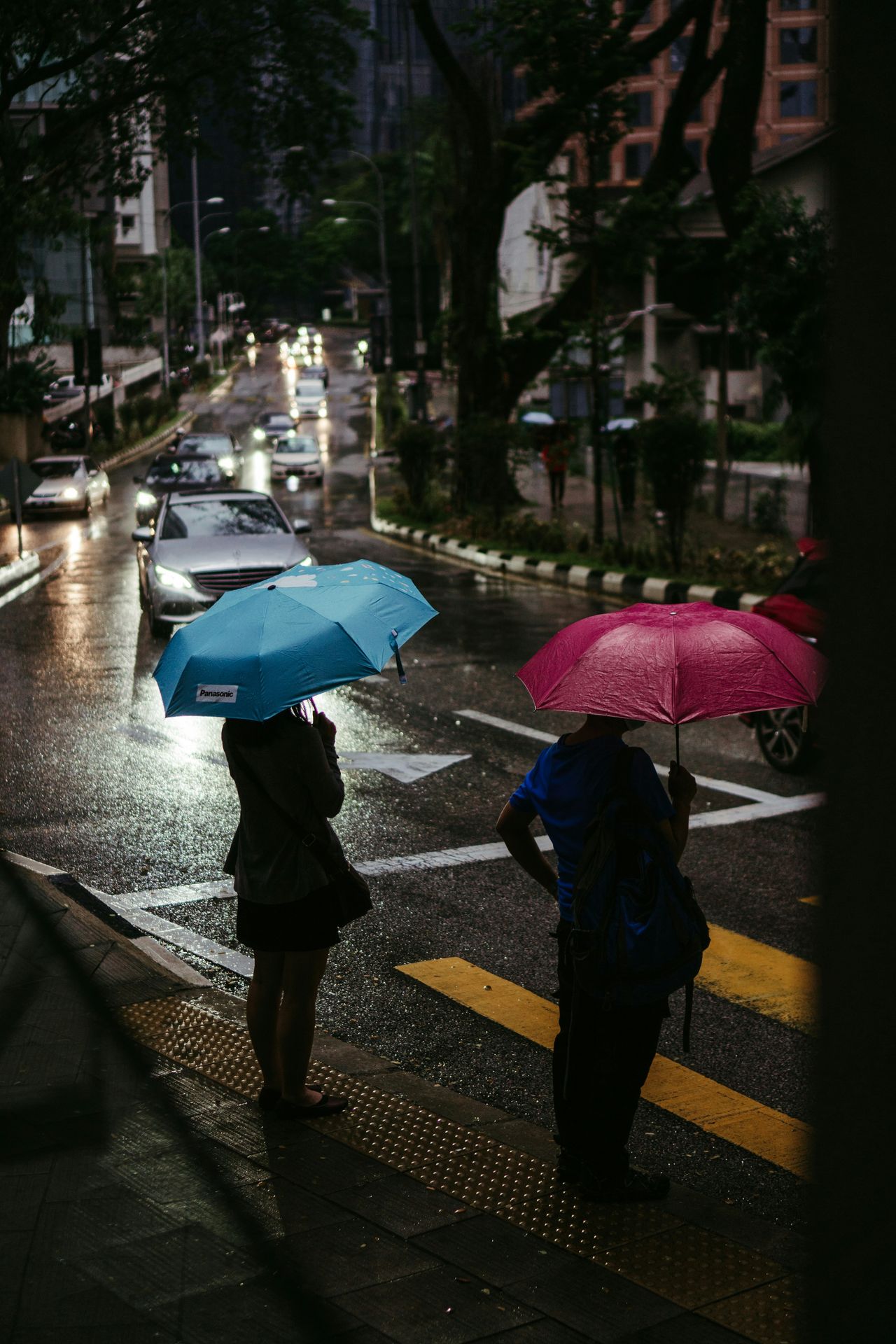
While the tropics dictate a warm, humid climate year-round, Kuala Lumpur’s true genius is its resilience to seasons. Yes, the period from March to April and September to November can bring slightly more rain, but this rarely derails a trip. The city is engineered for it: sprawling, air-conditioned pedestrian networks connect malls and transit hubs, and downpours are often intense but brief. Unlike European cities that shut down in winter or Middle Eastern destinations that simmer in summer, Kuala Lumpur operates at a consistent, accessible rhythm 12 months a year. The main variable is cultural: the month of Ramadan transforms the evening energy in areas like Kampung Baru, offering a uniquely communal atmosphere, while major holidays like Hari Raya can see locals heading out of town, easing urban density.
Activities: The Balanced Pace
Kuala Lumpur defies easy categorization as high-energy or low-stimulus. It offers both, often on the same block. You can spend a morning in the serene, bird-filled canopy walk of the Kuala Lumpur Forest Eco Park, literally in the shadow of the Petronas Towers, and an afternoon navigating the sensory overload of Jalan Petaling market. This makes it a balanced city par excellence. It caters perfectly to travelers who don’t want to commit to a single tempo—you can craft days of cultural immersion in Batu Caves or Islamic Arts Museum, and equally valid days of modern leisure in world-class cafés and rooftop lounges. The city doesn’t pressure you to constantly “do”; it provides a vast menu from which you can choose your own adventure.
Transportation: Predictable and (Mostly) Painless
For a major Southeast Asian capital, Kuala Lumpur scores high on navigational ease. The Kuala Lumpur International Airport Express train offers a stress-free gateway from the airport. Once in the city center, the integrated Mass Rapid Transit, Light Rail Transit, and monorail network, while sometimes requiring a bit of walking between lines, is clean, safe, and air-conditioned. Ride-hailing apps like Grab are ubiquitous, reliable, and inexpensive, effectively reducing the friction of exploring farther-flung neighborhoods or traveling at odd hours. While the city center can be walked in parts, the heat and humidity often make these transit options a welcome relief. The mental load of getting around is noticeably lower than in many peer cities, allowing you to conserve energy for experience itself.
2. People, Culture, and Social Compatibility
Locals: The Gracious Mosaic
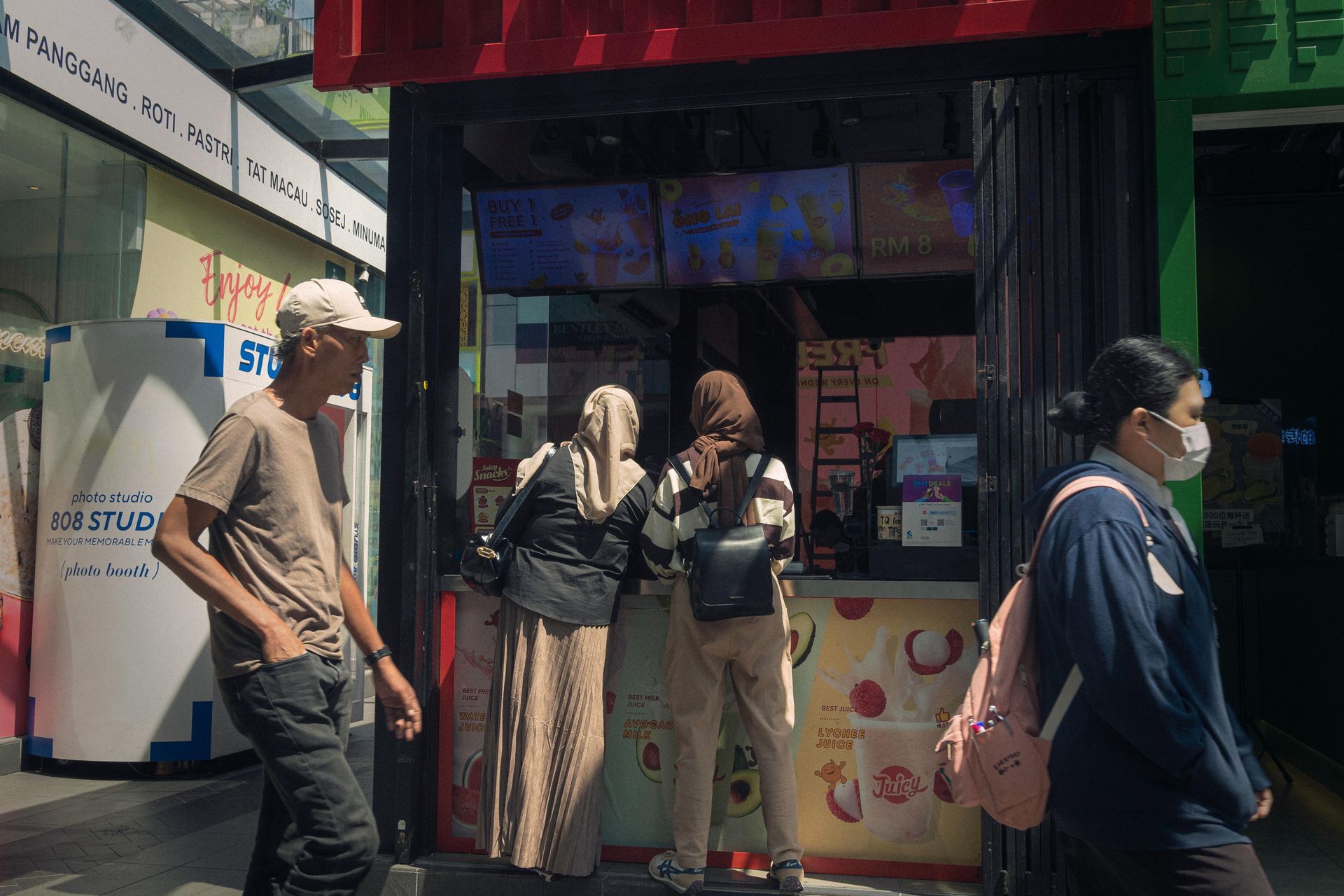
Malaysian society is a blend of Malay, Chinese, and Indian influences, and Kuala Lumpur is its living canvas. Interactions with locals are typically characterized by a polite, reserved warmth. While not always overtly effusive, people are generally patient, helpful, and proud of their diverse culinary and cultural heritage. To step beyond the polished surface, move beyond Bukit Bintang. Share a meal at a mamak (Indian-Muslim) stall in Bangsar, join a morning tai chi session in the park, or chat with shopkeepers in the Chow Kit wet market. The everyday life here isn’t hidden, but it doesn’t perform for tourists—it invites quiet observation and respectful participation.
Communication: The Linguistic Safety Net
English is widely spoken, especially in business, tourism, and among the younger generation. You can comfortably navigate, dine, and shop using it almost exclusively. This creates a significant ease-of-travel buffer. However, the true connector is often food and respect. A smile and a sincere “terima kasih” (thank you) go a long way. The communication style is generally indirect and non-confrontational, valuing harmony. For solo travelers or those looking to make connections, this environment is low-pressure; conversations start easily over shared table at a busy hawker centre, but the city’s social scene isn’t as outwardly boisterous as Bangkok’s or as network-driven as Dubai’s.
Personality Fit: The Introvert-Friendly Metropolis
Kuala Lumpur might be one of Asia’s most underrated havens for introverted and sensitivity-conscious travelers. While it has vibrant, crowded spots, it equally offers countless spaces for solitude and low-stimulus exploration. You can lose an afternoon in a quiet bookstore café in TTDI, wander the expansive, calm galleries of the National Museum, or enjoy a solitary view from one of many public parks. The city provides ample opportunity for connection without demanding it, allowing you to engage socially on your own terms. Conversely, pure extroverts who thrive on relentless, chaotic street energy and instantaneous, deep social bonds might find parts of Kuala Lumpur a touch subdued or formal.
3. Comfort, Values, and Daily Ease
Modesty and Everyday Comfort
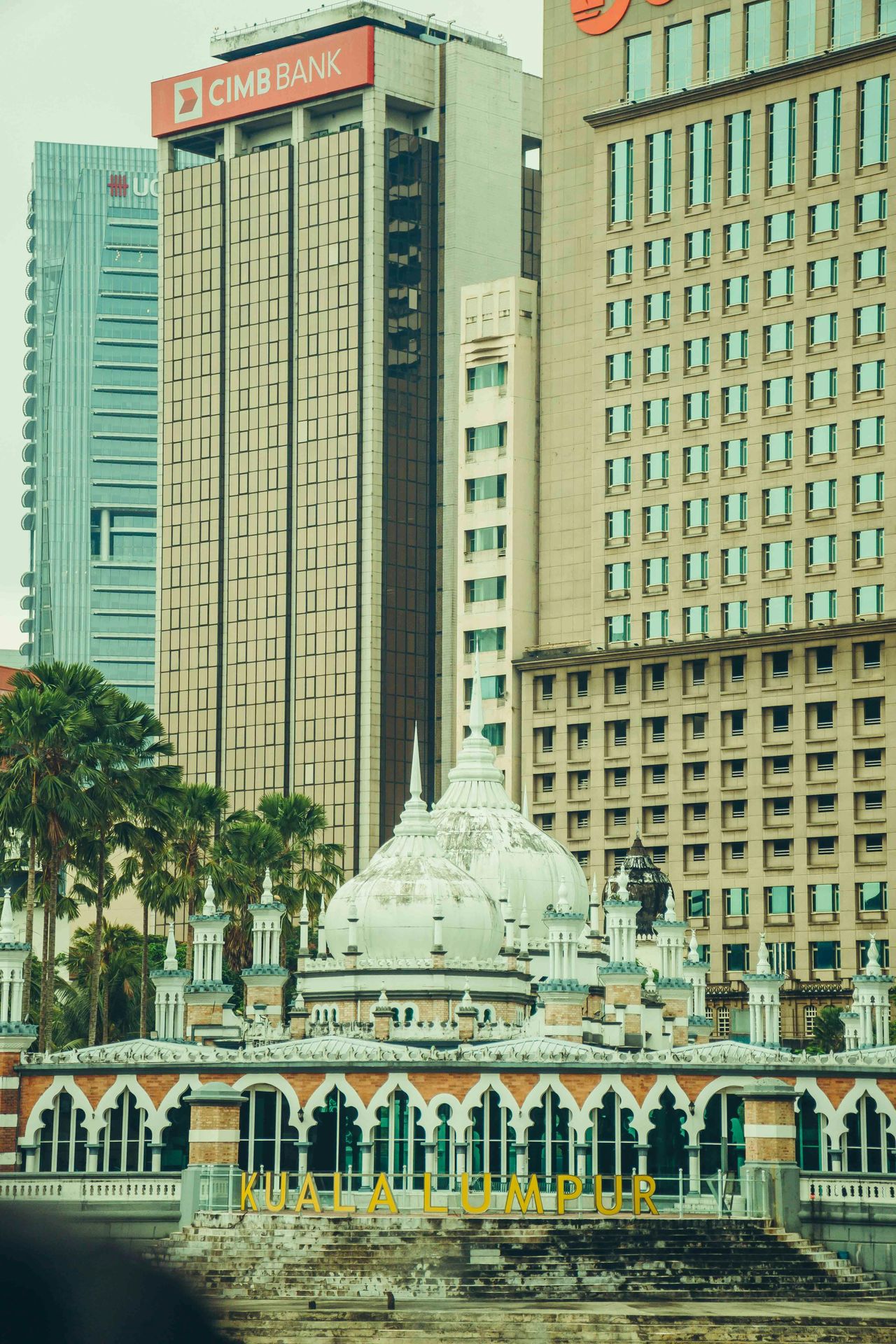
Kuala Lumpur presents a nuanced, flexible landscape for modesty. As a multicultural Muslim-majority city, you will see a full spectrum of dress, from hijabs and abayas to modern Western fashion. For modest dressers, this is a city where you will never feel out of place. Clothing options are plentiful in shopping malls, and the general public decorum is respectful. The key is situational awareness: covering up is expected and required when visiting mosques or more traditional neighborhoods. This flexibility allows most travelers to move naturally with minimal adjustment.
Prayer Accessibility: Integrated and Normalized
The call to prayer is a soft, woven thread in the city’s audio tapestry. Prayer (salah) accessibility is seamless. Suraus (prayer rooms) are omnipresent—in every shopping mall, airport terminal, office building, and train station. They are consistently clean, well-signposted, and simply part of the infrastructure. This isn’t an accommodation; it’s a fundamental part of the city’s design. For Muslim travelers, this eliminates a significant layer of daily travel planning and creates a profound sense of belonging. Non-Muslims will observe this as a quiet, routine aspect of daily life, offering a window into the city’s spiritual rhythm.
Friendliness: The Comfort of Consideration
Friendliness in Kuala Lumpur is best described as considerate efficiency. It may not always come with exuberant smiles, but it manifests in actions: a passerby gently redirecting you when you look lost, a shopkeeper patiently explaining dishes, or a Grab driver offering unsolicited but helpful local tips. The prevailing social contract is one of mutual respect and non-interference, which translates to a feeling of safety and a lack of high-pressure hassles common in other tourist hotspots. You can feel human here—making mistakes, asking naive questions, or simply sitting alone—without feeling judged or targeted.
Final Verdict: Who Is Kuala Lumpur For?
Kuala Lumpur is not for the traveler seeking wild, untamed chaos, profound ancient history, or a single, dominant cultural narrative.
Kuala Lumpur is perfect for:
Travelers seeking their first major foray into Southeast Asia who value a soft landing with modern comforts.
Thoughtful explorers who appreciate cultural and sensory balance—the ability to shift gears between traditional and modern, serene and stimulating.
Muslim travelers, especially those traveling with family, looking for a destination where religious practice is effortless and integrated.
Introverts, digital nomads, and sensitivity-conscious visitors who thrive in environments where energy is manageable and solitude is accessible.
Food-centric travelers are ready to dive into one of the world’s most celebrated and diverse culinary landscapes.
Kuala Lumpur doesn’t shout for your attention; it patiently waits for you to discover its layers. It proves that a city can be both futuristic and gentle, diverse and cohesive, vibrant and deeply peaceful. It is a testament to thoughtful travel—where the journey feels less about surviving a place and more about seamlessly living within it, even if just for a few days.

Get a 5G eSIM delivered instantly via QR code. Enjoy reliable high-speed data across Malaysia with 24/7 support and flexible refunds before activation.

Transfer between KLIA terminals and KL Sentral in about 30 minutes on the comfortable KLIA Ekspres with frequent departures.

See 25 top attractions on a full-day guided tour—including cultural districts, landmarks, and modern icons—with hotel pickup.
Get a 5G eSIM delivered instantly via QR code. Enjoy reliable high-speed data across Malaysia with 24/7 support and flexible refunds before activation.
Transfer between KLIA terminals and KL Sentral in about 30 minutes on the comfortable KLIA Ekspres with frequent departures.
See 25 top attractions on a full-day guided tour—including cultural districts, landmarks, and modern icons—with hotel pickup.
Affiliate Disclosure: Some links on this page are affiliate links. This means I may earn a small commission if you make a purchase through them, at no extra cost to you. I only recommend products and services I genuinely find useful or relevant.