
Traveling to a Muslim country during Ramadan is different—but in a genuinely fascinating, often beautiful way. Whether you’re planning solo travel, booking flights, or organizing your journey through a travel agency, the experience shifts once the holy month begins.
Think calmer days, magical nights, deeper culture, and a rhythm you don’t usually get to see as a visitor. If you like observing real life, Ramadan can be one of the best times to visit — and in many destinations, it can even rank among the best places to travel solo for those who value cultural depth over nightlife.
Travel in Ramadan allows you to discover the culture in depth—especially if you are someone who wants to know people as they truly are, not just the image presented to tourists. It becomes less about sightseeing and more about understanding how society breathes. Travelling during this month feels less transactional and more human.
For me, growing up in Egypt, Ramadan was never just a month—it was a full atmosphere. Every year, streets are decorated with lights and colorful zena (Ramadan decorations). The traditional fanous lanterns hang above roads and balconies, becoming part of the visual identity of the month.
At sunset, something beautiful happens. You see people in the streets offering food to anyone passing by so they can break their fast. Long tables are set up outdoors, filled with food for strangers—no invitation needed, no questions asked. You simply sit and eat. Charity becomes visible, not hidden.
The energy of Ramadan is special. Many people try to become closer to God. There’s a softness in behavior. More patience. More generosity. It feels as if everyone is trying to be their best version for those thirty days.
At the beginning of Ramadan, families visit each other frequently. The streets feel festive. Even ordinary neighborhoods can feel like a celebration. Most of the time, the vibe is warm, welcoming, and soulful.
Ramadan is not just a religious month—it is a social transformation. And as a traveler, witnessing that transformation can be one of the most authentic cultural experiences you’ll ever have.
Ramadan In Major Muslim Countries
From festive streets to quiet family tables — how Ramadan unfolds differently from country to country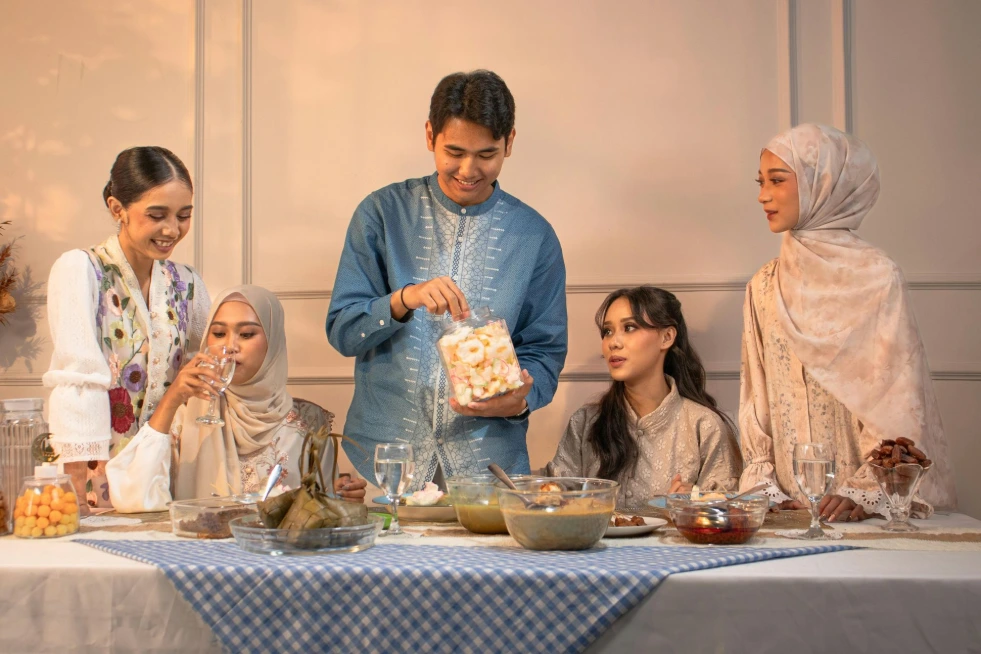
Ramadan in Pakistan
If you experience Ramadan in Pakistan, you immediately notice how food and community take center stage. As sunset approaches, entire neighborhoods transform into buzzing Ramadan bazaars.
The air smells like fried samosas and pakoras, and stalls are lined with colorful drinks, especially the famous Rooh Afza.
Mosques fill up quickly for Taraweeh prayers, and charity feels very visible — food packages, donations, people actively helping each other. The days are quiet and slow, but evenings feel alive and collective.
Ramadan in UAE
In the United Arab Emirates, Ramadan feels polished and beautifully organized. In cities like Dubai and Abu Dhabi, large Ramadan tents appear — elegant spaces where people gather for elaborate iftar buffets. You might even hear the traditional cannon fired at sunset to mark the breaking of the fast.
It’s spiritual, but also refined. Because the UAE is so multicultural, you see different cultures blending into one Ramadan atmosphere. It feels modern, structured, and respectful.
Ramadan in Saudi Arabia
Ramadan in Saudi Arabia carries a completely different weight. In places like Mecca and Medina, the spiritual intensity is on another level.
Thousands of people break their fast together inside mosque courtyards. The iftar itself is often simple — dates, water, rice — but the atmosphere is deeply powerful. The focus here is not decoration or festivity; it’s devotion. During the day, cities can feel extremely quiet, almost paused.
Ramadan in Egypt
In Egypt, Ramadan feels like a festival that belongs to everyone. Growing up in Egypt, you don’t just see Ramadan — you feel it. Streets glow with colorful decorations and traditional fanous lanterns.
Entire neighborhoods hang lights between buildings. At sunset, long tables known as “Ma’edet Rahman” appear in the streets, inviting anyone — even strangers — to sit and eat. There’s laughter, noise, and generosity. It’s spiritual, yes, but also joyful and very social.
Ramadan in Turkey
In Turkey, Ramadan has a poetic side. In Istanbul, you might see “mahya” lights strung between mosque minarets, displaying messages across the night sky.
Bakeries sell fresh Ramadan pide bread just before sunset, and families line up to buy it warm. The atmosphere feels balanced — respectful and spiritual, but not overly strict. Nights are elegant and calm, especially near historic mosques.
Ramadan in Morocco
Ramadan in Morocco feels more intimate. During the day, streets can be very quiet. Most families prefer to break their fast at home together.
The iftar table often starts with harira soup and sweet pastries like chebakia. It’s less about public celebration and more about family warmth. But once the fast is broken, cafés slowly fill, and people step outside for evening walks.
Ramadan in Indonesia
In Indonesia, the world’s largest Muslim-majority country, Ramadan feels communal in a different way. You’ll see small stalls selling “takjil,” light snacks people buy just before sunset.
Mosques host community events, and the approach of Eid triggers “mudik,” a massive movement of people traveling back to their hometowns. It’s less visually decorative than some Arab countries, but deeply collective and socially connected.
Ramadan in Malaysia
And in Malaysia, Ramadan feels like a food journey. Evening Ramadan bazaars become central gathering points, offering an incredible variety of Malay, Indian, and Chinese-influenced dishes.
The atmosphere is lively but organized. It feels welcoming, accessible, and easy for travelers to navigate while still being rooted in religious tradition.
What makes Ramadan beautiful is that the core is the same everywhere — fasting, prayer, charity, reflection — but the expression of it changes from country to country.
When you look at Ramadan from one place to another, you start realizing that most traditions aren’t limited to a single nation.
They often exist across the Muslim world, just at different levels. In some places, a tradition feels big and iconic, while in others it’s there more quietly. The details may shift, but the heart of it is shared.
If you’re someone who likes to observe societies beyond the surface, Ramadan lets you see a country in a softer, more honest version of itself.
Is It Safe to Travel During Ramadan? What You Should Know
Common concerns explained simply
You don’t need to worry about being non-Muslim. No one expects you to suddenly fast. You’re not required to participate in religious practices. And asking genuine questions? That’s usually welcomed. People are often happy to explain what Ramadan means to them.
Even innocent mistakes — like losing track of time and taking a sip of water in public — are usually understood. Most locals recognize that visitors may not be fasting. Ramadan emphasizes patience, so reactions tend to be measured rather than confrontational.
Now, awareness is different from fear.
If you’re in a more conservative area, eating openly in the middle of the street during fasting hours might feel insensitive. It’s not about danger — it’s about context. In hotels and designated places, it’s usually fine. In public, just use common sense.
Near mosques during prayer times, it’s better to lower your voice and avoid loud behavior. The atmosphere can be deeply focused and spiritual. It’s similar to walking into any sacred space anywhere in the world — you naturally adjust.
And in stricter countries, public displays of affection are already limited year-round. During Ramadan, that sensitivity can feel stronger. Again, it’s not about being policed — it’s about understanding the tone of the month.
Ramadan is built around restraint, reflection, and self-control. Because of that, travelers are usually treated gently — especially when they show respect.
So no, you don’t need to be nervous. Just be present. Observe the mood of the place you’re in. When you match the rhythm, everything feels natural.
Are non-Muslims welcome during Ramadan?
Navigating Ramadan as a Visitor: Respect, Awareness, and Warmth
In most Muslim-majority countries, if people see that you’re respectful and curious, they respond warmly. You might find yourself invited to join an iftar meal without expecting it. Sometimes it’s a family table. Sometimes it’s a public street table.
Sometimes it’s someone simply saying, “Come, sit, eat with us.” There’s no interrogation about your beliefs. Hospitality comes first.
People often enjoy explaining their customs. Why do they fast? What suhoor means. Why are dates eaten first? Why does the cannon fire? There’s a kind of pride — not defensive pride, but cultural pride. The kind that says, “Let me show you something important to us.”
And something subtle happens during Ramadan. Social behavior softens. People try to be more patient. More generous. More mindful of their words. The month encourages self-control and kindness. So the overall atmosphere often feels calmer and more considerate than usual.
That said, being welcomed doesn’t mean being unaware. You’re a guest, not an intruder — but like any guest, respect matters.
Eating discreetly during fasting hours where required, dressing modestly in conservative areas, and avoiding jokes about fasting go a long way. Curiosity is appreciated. Mockery is not.
If you approach Ramadan with humility rather than entitlement, you’ll often find doors opening — sometimes literally.
Ramadan isn’t a closed circle. It’s a lived tradition. And most people are happy to let you witness it — as long as you come with respect.
How Does a Typical Day Look When Travelling During Ramadan?
From Pre-Dawn Quiet to Post-Sunset Energy: Navigating the Rhythm of Ramadan Travel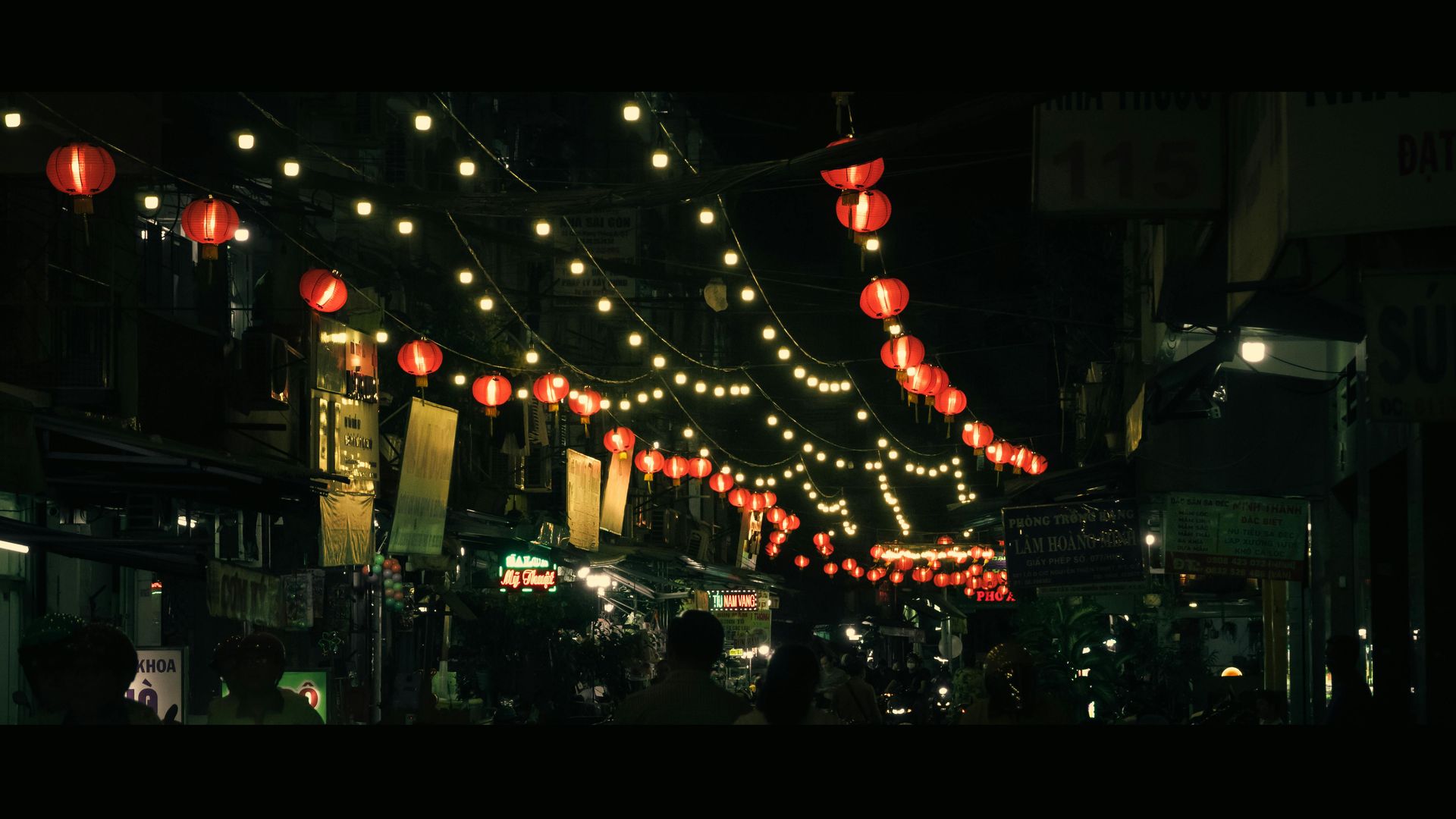
Before sunrise, there’s suhoor — the pre-dawn meal. It’s surprisingly alive at that hour. You might hear movement in apartment buildings, see lights on in kitchens, even find some cafés open very late or very early. It feels unusual — like the city is awake at the “wrong” time.
Then sunrise happens… and the tone changes.
During the daytime, things slow down. Offices operate, but energy is lower. Service can feel a bit slower than usual. Some shops open later. As a tourist, you might feel like you’re walking through a city that hasn’t fully started its day yet — even if it’s already noon. It’s not unfriendly. It’s just subdued.
Then comes the most interesting part: about an hour before sunset.
This is when everything tightens.
Traffic builds. People rush home. Supermarkets fill up. Streets feel slightly tense, not in a dangerous way — just urgent. Everyone is calculating the minutes until sunset. If you’re out at that time, you’ll feel the shift immediately.
And then sunset hits.
It’s like someone flipped a switch.
The call to prayer sounds. People break their fast. And within minutes, the atmosphere transforms. Homes fill with family. Streets come alive. Restaurants reopen. Laughter returns. It feels like an evening celebration every single day.
After iftar, energy keeps building. Cafés fill. People go for walks. Dessert shops become crowded. In many places, nights during Ramadan are more alive than in normal months. You’ll see families out together at 11 PM like it’s early evening.
That’s why the best advice is simple:
Plan around sunset, not against it.
Avoid scheduling something stressful right before iftar. Don’t expect full daytime productivity. Embrace the night instead.
If you align yourself with the rhythm rather than resisting it, Ramadan becomes much easier — and much more beautiful — to experience.
What Do People Do for Fun During Ramadan? Social Life & Night Activities
From long family meals to late-night cafés — how entertainment becomes connection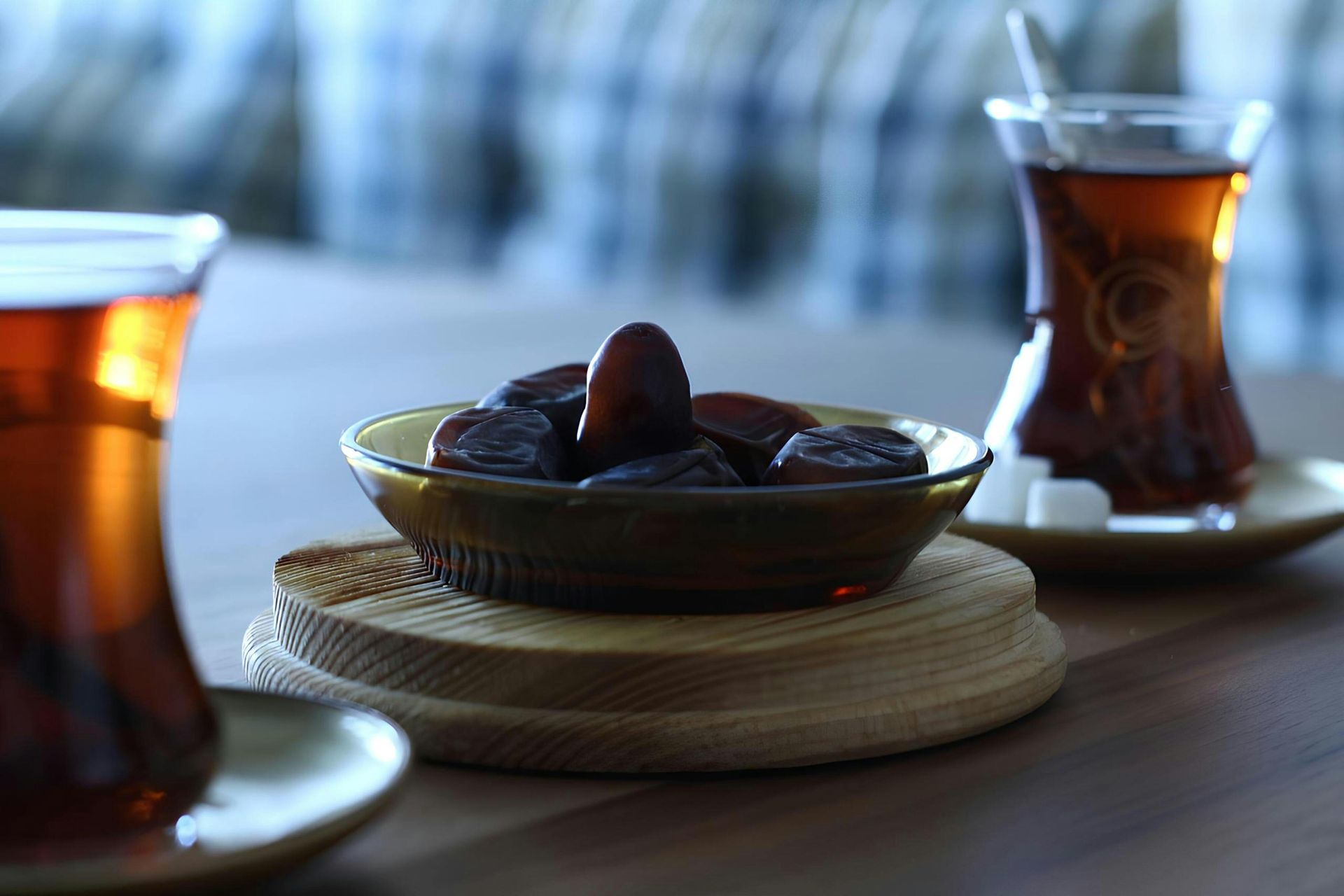
You get long family meals that stretch for hours. Iftar isn’t rushed. People sit, eat slowly, talk, refill tea, tell stories. It’s not just about the food — it’s about the time spent together.
After that, many people step outside. Streets feel lighter at night. Families walk together. Kids play. Dessert shops stay open late, and tea becomes part of the rhythm. Sitting somewhere with mint tea or coffee at 11 PM feels completely normal — sometimes even more alive than other months.
Charity also becomes social. Community iftars, volunteer work, donation drives — helping others isn’t done quietly in the background. It becomes something shared, something visible, something collective.
And alongside all of this, there’s personal reflection. Some people spend more time reading, praying, or simply slowing down. It doesn’t feel heavy — it feels intentional.
So no, it’s not “party” fun.
It’s connection fun.
Ramadan replaces noise with togetherness. And if you’re traveling during that time, you’ll notice that people aren’t looking for excitement — they’re looking for meaning, and for each other.
Who is Ramadan travel really good for — and what should you know?
Ramadan can be beautiful for both solo travelers and families — but for different reasons.
If you’re traveling solo,
Ramadan can feel surprisingly welcoming. People are often more open to conversation, more patient, and more willing to explain their customs. Solo travelers who enjoy observation, photography, journaling, or simply sitting in cafés at night will probably love it.
The evenings are social without being chaotic, and you may even find yourself invited to join an iftar table.
For families,
Ramadan can feel even more special. Night walks are common. Streets feel lively but safe. Kids are outside late. Desserts, lights, decorations — there’s a festive softness to it. It’s not a party atmosphere, but it’s warm and communal.
Now, what about women travelers?
In most Muslim-majority countries, Ramadan doesn’t create new restrictions — it simply makes existing cultural norms slightly more visible. Modest dress becomes more appreciated, especially in conservative areas. But in tourist-heavy cities, the difference is often subtle.
Many women actually report feeling comfortable during Ramadan because public behavior tends to soften. People are more mindful. Social tone is calmer.
That said, context always matters. A solo woman traveling to Istanbul will experience Ramadan differently than in a rural conservative region. It’s less about Ramadan itself and more about local culture.
And then there are the common mistakes tourists make — not out of disrespect, but out of not understanding the rhythm.
One mistake is planning important activities right before sunset. That’s when traffic peaks and everyone is rushing home.
Another is assuming daytime closures mean something is “wrong.” It’s not — it’s just a different schedule. Some travelers also underestimate how much the night becomes the main social window.
The biggest mistake, though, is treating Ramadan like a spectacle instead of a lived experience. It’s not a festival designed for visitors. It’s daily life adjusted around faith.
If you approach it with flexibility rather than expectation, Ramadan can feel deeply rewarding — whether you’re alone, with friends, or traveling as a family.
So, which type of traveler are you?
If you like structure, convenience, full operating hours, and moving freely without adjusting your schedule, non-Ramadan travel may feel smoother. You’ll experience the country in its everyday rhythm — efficient, predictable, open from morning to night.
But if you’re the kind of traveler who enjoys watching how societies shift under meaning — who doesn’t mind adapting to a different pace — Ramadan might offer something deeper.
It asks for flexibility, yes. But in return, it gives you access to moments you can’t manufacture in any other season: collective sunset pauses, shared meals, softened social tone, and nights that feel intentional rather than accidental.
Some travelers want access.
Others want insight.
Ramadan doesn’t change the country’s landmarks.
It changes its pulse.
And sometimes, understanding the pulse tells you more than any itinerary ever could.
Ramadan vs. Non-Ramadan Travel — What Really Changes?
The landmarks don’t change. The atmosphere does.
Outside Ramadan, cities follow their usual pace — predictable hours, steady daytime energy, familiar routines. Travel feels straightforward and convenient.
During Ramadan, the schedule shifts. Daytime slows. Evenings carry more weight. Social life reorganizes itself around sunset. The country feels less transactional and more intentional.
Non-Ramadan travel shows you how a place functions.
Ramadan travel shows you what a place prioritizes.
If you value ease and flexibility on your own terms, regular months may suit you better. If you’re curious about cultural depth and don’t mind adapting to a different rhythm, Ramadan offers a layer you won’t see at any other time of year.
It’s not about better or worse.
It’s about which experience you’re actually looking for.
When is Ramadan
Ramadan does not start on the same calendar date every year because it follows the Islamic lunar calendar, not the regular calendar most countries use. In 2026, Ramadan is expected to begin around the evening of February 17 or 18, depending on the sighting of the crescent moon in each country.
Since the Islamic calendar is about 10–11 days shorter than the standard calendar year, Ramadan moves earlier each year. The exact start date is officially confirmed shortly before the month begins.
What should you be prepared for?
Think in terms of rhythm, not restrictions.
Practical prep:
Restaurants may open late or only after sunset
Museums & shops often have shorter daytime hours
Uber/taxis can spike around sunset (iftar time)
Daytime energy is low; nightlife is high
Personal prep:
Be okay eating discreetly during the day
Adjust sightseeing to mornings or evenings
Expect people to be more tired—but also more patient
This is not a “tourist performance” month. You’re stepping into daily life.
If your flight lands close to sunset during Ramadan, pre-arranging an airport transfer can make the transition smoother.
Powered by WelcomePickUps
So what’s different about Ramadan 2026?
Ramadan 2026: What Travelers Should Understand About the Changing Context This Year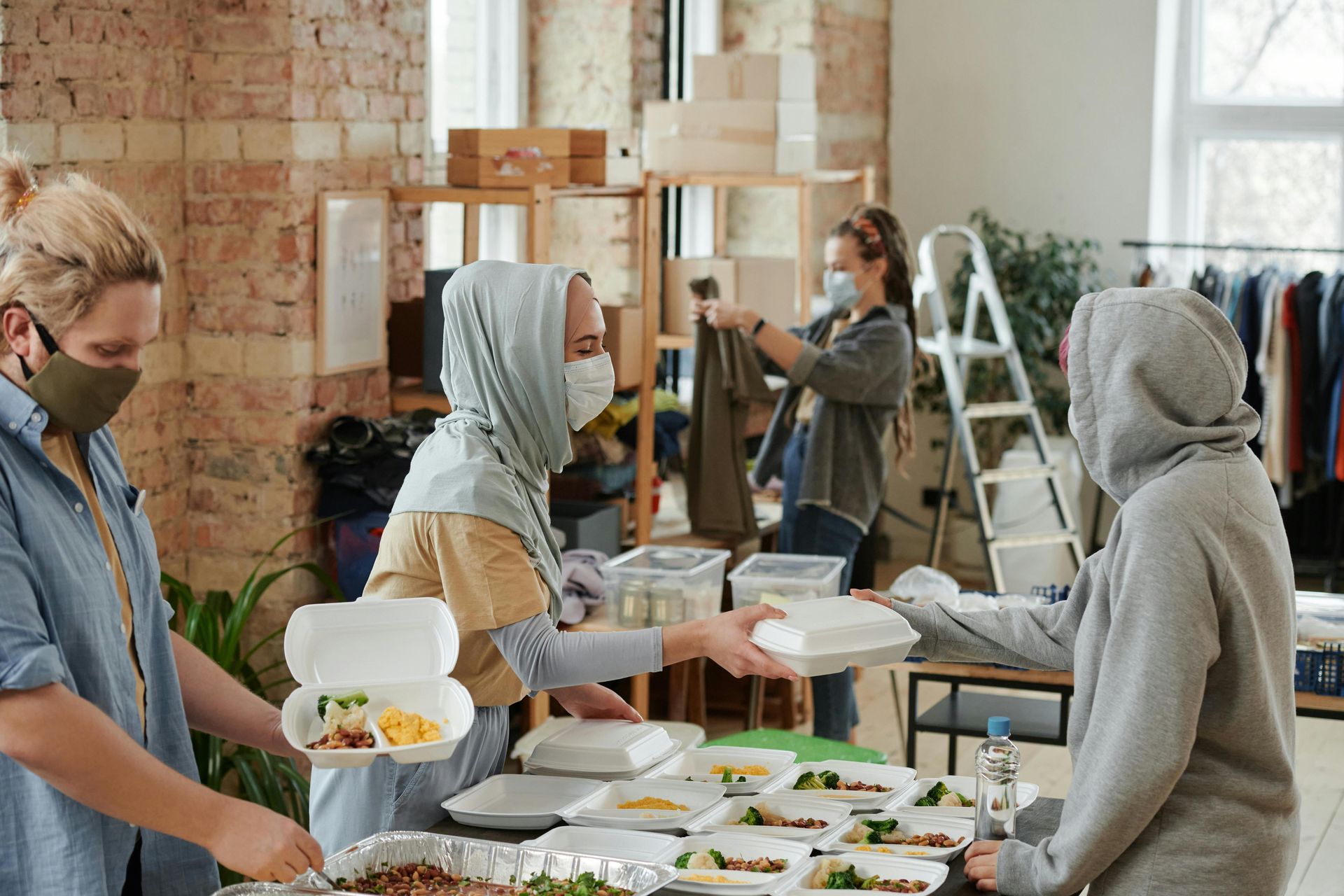
Nothing has changed about the core of Ramadan — people are still fasting, gathering, breaking fast together, praying, and focusing on reflection and community as always. But there are a few things this year that make it feel a little different from some recent Ramadan seasons.
A big factor this year is timing and weather. In many parts of the world (especially the Northern Hemisphere), Ramadan 2026 falls in late winter and early spring.
That means shorter, more comfortable fasting hours and cooler evenings than when Ramadan falls in the long, hot days of summer — something many Muslims actually look forward to because it makes the fast easier and more balanced.
Another noticeable difference is how people plan for Ramadan. Research from around the region shows that many are preparing earlier this year — not just spiritually, but socially and economically too.
Families and communities seem more intentional about spending time together, focusing on faith and family, and adapting routines so the night becomes the heart of the day.
In some countries, official preparations are also more organized — including announcements about charity rates like zakat al-fitr and guidelines for those contributions, which helps standardize how people give and receive charity throughout the month.
And in everyday cultural life, new trends are surfacing. For example, this Ramadan has become something of a “nocturnal revival” in cities like Dubai and elsewhere — with more focus on evening activity, shopping patterns, and family time after iftar.
The Impact of AI on Ramadan Awareness
Another subtle but important shift in 2026 is the role of technology — especially AI.
People today prepare for Ramadan differently than they did even five years ago. With AI tools, search platforms, and instant translation, it has become easier to understand fasting rules, prayer times, charity calculations, travel etiquette, and cultural differences between countries.
Travelers can now quickly learn what to expect before visiting a Muslim country during Ramadan. Families can calculate zakat more accurately. Individuals can access tailored prayer schedules or dietary advice instantly.
AI hasn’t changed Ramadan itself — but it has changed access to knowledge. People are more informed, more prepared, and often more aware of both religious practices and cultural sensitivities.
Even non-Muslim travelers are better equipped to understand what to do, what to avoid, and how to respect local norms.
In that sense, Ramadan 2026 feels more connected and globally understood than earlier years. The month remains spiritual and traditional — but the way people prepare for it is increasingly digital.
Conclusion
Travelling during Ramadan isn’t just about seeing a place differently — it’s about sharing in a living tradition. Daily rhythms slow down, and evenings burst into life.
You’ll witness spontaneous generosity at communal iftars, quiet moments of reflection in mosques, and joyous nighttime gatherings that often run later than at other times of the year.
With Ramadan 2026 expected to begin at sundown on Tuesday, 17 February and end at sundown on Wednesday, 18 March, travellers who plan ahead can experience a month of hospitality, patience, and spiritual depth.
Embrace these differences, be mindful of local customs, and you’ll come away with a richer understanding of Muslim cultures and new friends along the way.
Stay in the loop: If you enjoyed this guide, subscribe with your email below. We’ll send you a heads‑up whenever we publish new travel insights, cultural guides, and special updates.